
COLLEGE OF HEALTH SCIENCES
Master of Science in Physician Assistant Studies (MS-PAS)
The mission of the Faulkner University Physician Assistant program is to train competent and caring medical professionals, in a Christian environment, to address the physical, mental, emotional, and spiritual needs of individuals in the communities where they live and work.
Master of Science in Physician Assistant Studies (MS-PAS)
Allied Health careers are rapidly expanding in the United States and in Alabama.
According to current estimates from the Bureau of Labor Statistics (BLS), 12 of the top 30 fastest-growing occupations are in health-related fields. Specifically, Physician Assistant employment is expected to grow 28% more than the average through 2033, with a national employment change of 28.5%.
There are projected to be over 12,900 jobs per year for Physician Assistants (PAs) over the next ten years. In 2024, the median annual salary was $133,260, and is expected to continue to increase (BLS Employment Projections). Likewise, Alabama data indicates a comparable growth rate (45.1%) for PAs (NCCPA).
The vision of the Department of Physician Assistant Studies is to earn a reputation as one of the leading contributors to the field of healthcare by graduating outstanding Physician Assistants, developing distinguished faculty members, and serving the local community by providing increased access to quality medical providers.
2026-2027 Application and Admission Requirements
Timeline for 2026 – 2027 Admission Cycle
| Date | Admissions Cycle |
|---|---|
| Apr 30, 2026 | CASPA Opens |
| Jun 30, 2026 | Priority Deadline CASPA verified by this date for Round 1 interviews. |
| Jul 2026 | Priority Interviews |
| Jul-Aug 2026 | Priority Offers |
| Aug 1, 2026 | Application Deadline CASPA verified by this date for Rounds 2-3 interviews. |
| Aug 2026 | Round 2 Interviews |
| Sep 2026 | Round 3 Interviews |
| Sep-Oct 2026 | Rounds 2-3 Offers |
| Apr 1, 2027 | Late Application Deadline CASPA verified by this date if seats remain available. |
*Applicants qualifying for priority admissions:
- Faulkner legacy candidates (Graduate of Faulkner University or completion of at least half of the prerequisite courses at Faulkner)
- Applicants of schools that have an Articulation Agreement with Faulkner University for PA studies
- Applicants with a cumulative GPA of 3.75 or greater
- Applicants demonstrating missional alignment
PA Studies Admissions Procedures
The program utilizes CASPA for application verification. Once an application is verified in CASPA, the CHS Graduate Admissions Coordinator sends the required Faulkner University Supplemental Form, which includes the Technical Standards Attestation, to the applicant. Upon completion, the CHS Admissions Coordinator marks the applicant as “Ready to Be Reviewed” in CASPA.
“Ready to Be Reviewed” applications are reviewed by one or more members of the PA Program’s Admissions Committee. The reviewer assigns a score using an admissions pre-screening rubric, which is based on the admissions requirements and enhancements listed on the program’s website. Based on the pre-screening rubric, qualifying applicants will be offered an interview (in-person or virtual option) while seats remain available. All interview panels include program faculty and may also include community providers and Faulkner employees from other CHS graduate programs. Interviewers use a standard rubric to evaluate the interview.
Following the interviews, the total points from the admissions pre-screening rubric will be added to the applicant’s interview rubric score, and applicants will be ranked according to total score. The admissions committee will then meet to review rankings and discuss any additional insights gained from the interviews. Based on the comprehensive review, the Admissions Committee decides to accept, deny, or place the applicant on a waitlist.
The final decision is communicated to the applicant via CASPA.
*Faulkner University offers a Direct Admit (DA) pathway for qualified Faulkner undergraduates to progress directly to the MS-PAS program. Click here for eligibility details:
Direct Admit Pathway into the MS-PAS Program
Program Applicant Minimum Requirements
| Official Transcripts |
|---|
|
Official transcripts submitted via CASPA from every accredited United States College or University attended, or from a university outside of the United States with verified US equivalency.
|
|
GPA Requirements (GPAs are taken as determined by CASPA. It is the applicant’s duty to ensure that GPAs are accurately reflected in CASPA.) |
|
| Letters of Recommendation (submitted via CASPA) |
|
| Personal Statement (submitted via CASPA) |
| Personal statements are evaluated based on quality of writing, demonstration of program missional alignment, and demonstration of motivation to pursue PA education or the PA profession. |
| Minimum of 200 Direct Patient Care Hours (Documented in CASPA) |
|
Patient Care Experiences are those in which you are directly responsible for a patient’s care. For example, prescribing medication, performing procedures, directing a course of treatment, designing a treatment regimen, actively working on patients as a nurse, paramedic, EMT, CNA, phlebotomist, physical therapist, dental hygienist, etc. |
| Supplemental Form |
| Submission of Faulkner PA Supplemental Form which includes technical standards attestation. |
| Additional Requirements for International Students |
|---|
|
Applicants submitting prerequisite courses and/or a bachelor’s degree from a university outside of the United States must provide a certified, translated transcript from NAIA InCred or World Education Services that specifically states the US equivalent course(s) and/or degree. Applicants whose native language is not English are required to take an examination of their English language ability. The test required is the Test of English as a Foreign Language (TOEFL), and a minimum score of 550 is required on the paper-based test and 213 on the computer-based test. On the computer-based TOEFL, we require a total score of 80 with 20 on each section (listening, speaking, reading, and writing). Prospective and current international students are responsible for staying informed of the United States Department of Homeland Security and regulations for the International Student and Exchange Visitor Program (SEVP). It is your responsibility to obtain your visa, file your I-901 form and pay the mandatory SEVIS fee, and make any necessary travel arrangements. *Only international students with a valid immigration student status of F-1 will be permitted to register. |
| Applicants may enhance their application by demonstrating any of the following: |
|---|
|
| Excellence in Overall, Science, and Last 60-hour GPAs. |
|
Completion of any of the following additional science coursework with a letter grade of B or higher:
|
| More than 200 Direct Patient Care Hours |
| PA Shadowing Hours |
| Military Service |
| First Responder |
| Leadership experience in a healthcare profession |
| Advanced Degree in Health-Related Studies (Ex: Master’s in Public Health) |
|
Matriculation Requirements
|
|
|---|---|
| Seat Deposit | Once an offer is extended, the candidate will be required to pay a non-refundable seat deposit of $1,000 in order to reserve their seat. |
| Prerequisites / Bachelor’s Degree | If any prerequisites were in progress at the time of application, the candidate will be required to submit official transcripts to verify successful completion. If a bachelor’s degree is pending at the time of application, the candidate will be required to submit official transcripts showing degree conferral. All items must be completed by August 1st of the matriculation year. |
| Criminal Background Check and Drug Screen | The PA Program will set up an account for the candidate to complete a criminal background check and drug screen. The candidate will be responsible for the cost of the background check and drug screen. Unsatisfactory results will result in forfeiture of the candidate’s seat. |
| Health Insurance | All students must maintain a valid major medical insurance policy while registered at Faulkner University. This includes classes during the didactic and clinical phases of the program. |
| Physical Examination | Candidates must have a comprehensive physical examination performed by their healthcare provider to demonstrate that the student is free of any physical or mental impairment(s) which may pose a potential risk to him/herself or to patients or which may interfere with the performance of clinical responsibilities. |
| Immunizations | All students are required to maintain immunizations that are recommended by the CDC for healthcare workers. These include: hepatitis B, influenza, COVID-19 (or exemption), measles/mumps/rubella (MMR), varicella (chickenpox), meningococcal, and tetanus/diphtheria/pertussis (Tdap). |
For any additional questions, please contact CHS Admissions:
chsadmissions@faulkner.edu
Program Goals and Competencies
First Time PANCE Pass Rate
Admission Data Summary
Prerequisites
Prerequisite Course Requirements for 2026-2027*All science prerequisites must be at the level required for science majors.
*All prerequisite courses must be completed with a minimum grade of “C”
|
||
Course Requirement |
Required Hours |
Supplemental Information |
|
General Biology with Lab
|
7-8 credit hours
|
An upper-level biology elective may be accepted in place of one of the general biology courses.
|
|
Microbiology with Lab
|
4 credit hours
|
|
|
Human Anatomy with Lab
|
8 credit hours
|
|
|
General Chemistry with Lab
|
8 credit hours
|
An upper-level biology elective may be accepted in place of one of the general chemistry courses.
|
|
Statistics
|
3 credit hours
|
Statistics must be completed in the Math or Psychology Department. Business Statistics is NOT acceptable.
|
|
Psychology
|
3 credit hours
|
General, Developmental, or Abnormal Psychology accepted; Must be taken in the psychology department.
|
|
Medical Terminology
|
1 credit hour
|
|
Additional Information Regarding Prerequisite Course Requirements
- All science courses must be at the level required for science majors.
- All prerequisite courses must be completed with a minimum grade of “C”.
- Due to the COVID-19 pandemic, the program will honor up to two “Pass” grades in prerequisite classes taken anytime between January 1, 2020, and December 31, 2020. No more than 2 total prerequisite courses may be pass/fail.
- Advanced Placement (AP) credit is accepted to satisfy up to one prerequisite course if the AP credit is accepted by the applicant’s degree-granting institution and is posted on official academic transcripts as credit toward a specific course.
- CLEP examination credit is not accepted.
- Online courses are accepted; however, prerequisite science courses are recommended to be in-person/on-ground.
- Each course may only satisfy one prerequisite.
- Quarter hours will be reviewed by the admissions committee to determine if hours are sufficient to meet minimum requirements or if additional coursework is needed.
- The Program seeks to promote a cohort of students from varied backgrounds and experiences to foster a learning environment that prepares PAs to address the needs of a diverse society.
- The Faulkner University Physician Assistant Studies program does not accept advanced placement credit toward PA Studies courses. (Standard A3.15)
Tuition, Fees, and Associated Cost of Attendance Breakdown
Faulkner University Physician Assistant Studies Program
Please Note: Tuition, fees, and associated costs of attendance are estimates only. Tuition and fees are officially established annually at the Faulkner University Board of Trustees meeting.
Tuition, Fees, and Associated Cost of Attendance
| Tuition and Fees: 2026-2027 | Tuition | Fees |
| $920 per credit hour | $1960 per semester |
| Tuition | $920/credit hours x 116 | $106,720 |
| General Fee | $350 x 7 semesters | $2,450 |
| Clinical Fee | $1,690 x 7 semesters | $11,830 |
| Total Program Cost | $121,000 | |
Program Required Expenses
| Expense Type Category | Expense Cost Category |
|---|---|
|
Books / Medical Equipment
|
$4,300
|
|
Laptop / iPad
|
$2,000
|
|
Scrubs
|
$120
|
|
Health Insurance
|
$8,400
|
|
Background Check (required annually)
|
$60
|
|
Drug Screen (required annually, and as needed)
|
$29
|
|
Student Memberships (AAPA, ASPA)
|
$100
|
|
Graduation Fee
|
$150
|
|
PA National Certifying Exam (PANCE) Fee
|
$550
|
| Expense Type Category | Expense Cost Category |
|---|---|
|
Lodging
|
$36,400
|
|
Transportation
|
$3,500
|
|
Miscellaneous (renters’ insurance, additional study resources, state licensing fees, etc.)
|
$2,000
|
Withdrawal and Refunds
The MS-PAS Program will follow Faulkner University’s policy for refunds in the case of student withdrawal. If a student withdraws from classes, they are only subject to a refund if they withdraw within a certain time frame. A student who withdraws through the 14th day from the start date of term will receive 100% refund, less $200. From the 15th day through the 21st day from the start date of term will receive 50% refund, and after the 21st day from the start date of the term: 0% refund. Refer to Faulkner University’s Student Accounts page for complete information.
Accreditation
Curriculum
All courses in semesters 1-4 are delivered on ground at Faulkner University’s campus in Montgomery, Alabama. Clinical courses in semesters 5-7 take place at various clinical sites. PAS 5150 Professional Development V, PAS 5161 Professional Development VI, and PAS 5170 Professional Development VII are delivered in a hybrid format during the clinical phase of the program.
MS Degree Plan
Students will complete the program with their cohort in the following sequence:
Technical Standards
The Master of Science in Physician Assistant Studies (MS-PAS) is designed to provide comprehensive knowledge and skills to allow the graduate to enter into a practice environment equipped to be an effective health care provider. In order to achieve this goal, students must possess and exhibit emotional, physical, and cognitive capabilities to complete this rigorous program. Faulkner University is committed to providing the necessary accommodations to prepare students from both didactic and clinical aspects. The faculty of the MS-PAS program has identified the following minimal technical standards that are required to complete the program:
Critical Thinking: Students must exhibit the mental capacity to assimilate, analyze, synthesize, and integrate concepts and apply problem-solving skills to formulate assessments and create treatment plans.
Communication Skills: Students must exhibit both oral and written abilities that allow for clear, concise, and effective communication with patients and colleagues.
Sensory and Observational Skills: Students must possess visual, auditory, tactile, and other sensory abilities sufficient to allow them to observe classroom demonstrations, participate in technical procedures, and elicit accurate patient information to formulate correct diagnoses and treatment plans.
Motor Skills: Students must exhibit the gross and fine motor skills needed to execute the technical procedures involved in the practice of medicine and surgery. They must be able to calibrate and use the equipment, maneuver in restricted spaces, and move and position patients.
Interpersonal Skills: Professionalism is a core competency for Physician Assistant;, therefore, students must possess a wide range of interpersonal skills. These include:
- maintaining the emotional health required to manage high-stress situations while simultaneously displaying full intellectual abilities;
- having an ability to exercise good judgment;
- possessing excellent time management skills (arriving on time, starting and finishing tasks on time);
- exhibiting a propensity to complete all assigned patient care responsibilities in a timely manner;
- having the capacity to develop mature, compassionate, and effective relationships with colleagues, faculty, staff, patients, and their families;
- cultivating an ability to recognize and channel one’s own emotional states in a way that allows you to engage with others in a constructive way;
- being a team player.
FAQs
How will clinical site choices work?
All core clinical sites have been established and vetted by the Director of Clinical Education and the program. Additional sites may be developed on a case-by-case basis and at the discretion of the DCE and the Program Director.
I am most curious about the general program structure and where clinical rotations will take place.
The PA Program is 28 months in length with 16 months of in-classroom didactic education and 12 months of clinical education. Clinical rotations mostly occur local to the university or at clinical sites within a 70-mile radius of Montgomery. However, the program also utilizes clinical sites in many different states.
What are the names of the hospital and health care facilities that will be affiliated with Faulkner’s PA Program?
Faulkner has partnered with several health systems and private based clinics throughout the state. Locally, we have an excellent relationship with both Jackson and Baptist Hospital Systems, Health Services Inc. (our local FQHC), and Veterans Affairs.
How many clinical rotations does this program plan to offer, and how many of those rotations are electives?
Students currently have 9 Clinical Rotations:
Family Medicine
Internal Medicine
Emergency Medicine
Pediatrics
Women’s Health
Behavioral Medicine
General Surgery
Two Electives
Clinical rotations will include office-based (outpatient), hospital-based (inpatient), surgical, and emergency department experiences.
Does Faulkner University allow for clinical rotations abroad or within different states?
- We do not currently offer any clinical rotations abroad. However, the opportunity to offer rotations abroad is being actively pursued. ARC PA’s new standards only allow utilizing abroad clinical sites for elective rotations. All core rotations must be completed in the U.S.
- Faulkner’s PA program does have contracts in place with several health systems in neighboring states.
- ARC-PA mandates that all clinical sites and preceptors must be extensively vetted by the DCE. This will be the major rate-limiting step for the development of additional sites.
After each clinical, will we have summation exams? Lectures? Meet physically back on campus?
Students will meet back on campus after clinical rotations for debriefing and for End of Rotation Exams.
What is the process of remediation if a student is struggling?
PA program faculty are dedicated to the success of our students and believe in early identification of students that are demonstrating a negative trend in grades or behaviors. Effective for Cohort 3 entering in the fall of 2022, grades are reflected as letter grades (A, B, C, D, F). Students are kept abreast of their performance during their course by their course directors, at mid-term, and at routine meetings with their advisor. Students at risk of successful progression in their courses and/or in the Program are identified early on and placed on a remediation plan to support their success and retention.
Is the curriculum mostly lecture style? Small group/case study? Problem-based learning where a group of students teaches each other the concepts?
The curriculum is mostly lecture style but also includes team-based learning, case-based learning, discussion, and simulation.
Assessments are varied and include written exams, discussion questions, oral presentation, case-based learning, team-based learning, and simulation.
Will there be opportunities to do community service, a certain number of hours each quarter?
Community service will largely be elective but offered routinely. We value service to the community highly and recommend these interactions to engage with other members of the medical community.
Will there be a Capstone project as we approach our graduation month?
The Capstone project will be introduced in the 4th semester as the main focus of PAS 5325 Research Methods.
What do you (Faculty/Staff) believe sets the Faulkner University Physician Assistant Studies Program apart from other physician assistant programs?
Faulkner’s PA program has a few unique strengths: Extensive clinical experience from a diverse core faculty and staff; extremely close relations and interprofessional opportunities within the College of Health Sciences (PA, PT, OT, and SLP); deeply rooted Christian faith-based approach to caring for the whole person.
There is $1,000 amount worked into our tuition for computers from the website… any particular type?
It is listed as a cost, not part of tuition. Any will do.
Are there simulation labs in which we get to interact with robots that can provide us with many different health-related scenarios?
Yes, CHS is actively enhancing our in-house simulation lab. Additionally, we have an agreement with a 20,000 sq. ft. simulation center: Baptist Health Institute for Patient Safety and Medical Simulation.
How early are we exposed to hands-on patient interaction?
First Semester.
What characteristics are you looking for in your applicants?
When evaluating applicants for our program, we look for evidence of a commitment to healthcare, a team-based focus, professionalism, and a strong work ethic.
When would be the projected dates of orientation?
September.
What would a typical day look like for us (Monday-Friday) during the first 4 semesters? The last 3 semesters?
PA education is rigorous. During the first 4 semesters, you need to be available to the program 8AM-5PM M-F and occasional Saturdays. In the clinical phase, your schedule is determined by your preceptor and will include nights and weekends.
What materials are we required to purchase? Are any materials included in the tuition?
See costs section on website.
Student Attrition Table
| Graduated Classes | |||||
|---|---|---|---|---|---|
| Class of 2022 | Class of 2023 | Class of 2024 | Class of 2026 | Class of 2027 | |
| Maximum entering class size (as approved by ARC-PA) | 35 | 50 | 50 | 50 | 50 |
| Entering class size | 35 | 48 | 50 | 38 | 50 |
| Graduates | 33 | 46 | 44 | TBD | TBD |
| * Attrition Rate | 5.7% | 4.2% | 12% | TBD | TBD |
| ** Graduation Rate | 94.3% | 95.8% | 88% | TBD | TBD |
* Attrition rate calculation: Number of students who attritted from cohort divided by the entering class size.
** Graduation rate: Number of cohort graduates divided by the entering class size.
*** Faulkner did not have a graduating class of PAs in 2025.
Student Handbooks
Program Policies
Program Policies
A3.01 Program Policy Application
All student program policies apply to all PA students regardless of location. All faculty/administrative program policies apply to all principal PA faculty regardless of location. All faculty/administrative program policies apply to the program director/medical director regardless of location. The program affirms that some of its policies may be superseded by those of clinical sites, as applicable.
Informed of Policies
PA students will be informed of program policies and practices in multiple ways:
- Program policies are posted on the public website for prospective student review.
- During orientation, the student handbook and all policies will be discussed. Students will sign attestation of their intent to review the handbook in order to document their awareness of the policies and practices.
- During clinical orientation which occurs prior to the start of the clinical year, the student clinical handbook and all policies will be discussed. Students will sign attestation of review to document their awareness of the policies and practices.
A3.02, A3.03, A3.14i Physician Assistant Student Employment Policy
Faulkner University PA Studies will in no way require students to work for the program. Students will not be substituted for or function as instructional faculty or clinical or administrative staff while in the didactic phase of the program, or while on clinical rotations.
The Physician Assistant Program is extremely demanding in terms of workload and time commitment. Therefore, PA students are strongly advised to not be employed while in PA school. However, if students choose to be employed, work commitments will not be considered an excused absence. PA Program expectations, assignments, deadlines, and responsibilities will not be altered or adjusted to accommodate working students throughout the didactic and clinical phases of the program.
A3.04 Clinical Rotation Attire
Students should wear only their program approved Faulkner PA scrubs, or clinical site approved attire, approved outerwear, and appropriate shoes. A short white coat will be provided to students during the White Coat Ceremony at the completion of the didactic phase of the program. The short white coat differentiates students from professionally practicing providers, and should be worn at all times unless indicated otherwise by the clinical site. Student ID badges must be conspicuously placed so that patients are made aware of students’ status as a physician assistant (PA) student, and to clearly distinguish the PA student from other health profession students and practitioners.
A3.05 Student Exposure Policy
Faulkner University Physician Assistant Studies (PA) is a program housed within the College of Health Sciences which has adopted the following Blood-borne Pathogens (BBP) guidelines:
A3.05a – Prevention:
Safety expected behaviors and universal precautions recommended by the Centers for Disease Control (CDC) will be employed by the Faulkner PA Studies program to minimize exposure incidents, including (but are not limited to):
- Wash hands frequently.
- Wear gloves if there is a possibility of contact with another person’s body fluids.
- After the removal of gloves or after exposure to blood or other potentially infectious materials, wash hands with antibacterial soap.
- Wear gloves once and discard; do not attempt to wash and reuse.
- Clothing or supplies contaminated with body fluids should be placed in doubled plastic bags, tied and discarded.
- Used needles and sharp/instruments must be discarded in a Biohazard Infectious Waste Sharps Container.
- Equipment and devices that touch intact mucous membranes but do not penetrate a patient’s body surface should be sterilized when possible or undergo high-level disinfection if they cannot be sterilized before being used for each patient.
- Instruments and other reusable equipment used in performing invasive procedures must be appropriately disinfected and sterilized.
- Training on proper expected behaviors for finger testing and required equipment is mandatory.
- Recapping of needles or lancets should not be attempted.
- If a safety lancet is not available, the PA student should ask the source individual to conduct the test on themselves, if possible.
- Sharps or lancets must not be passed to others or accepted from others.
A3.05b – Procedures for care and treatment after exposure:
An exposure incident is a specific eye, mouth, other mucous membrane, non-intact skin (dermatitis, abrasions, chafing, hangnail, etc.), or parenteral contact with blood or other potentially infectious materials (OPIM) that results from the performance of a PA student’s duties.
When hazardous exposure to chemical agents or blood or body fluids occurs on campus:
- Initial first aid/safety procedures to limit injury and risk of infection should be completed immediately. (e.g. thorough handwashing, flushing of mucous membranes, etc.).
- The incident must be reported to the Program Director as soon as initial first aid is complete.
- Medical evaluation and treatment of injuries and/or to evaluate/limit the risk of infection should be conducted at the student’s primary care provider or nearest urgent care/emergency department.
When hazardous exposure to chemical agents or blood or body fluids occurs at a Supervised Clinical Practice Experience (SCPE) location:
- Initial first aid/safety procedures to limit injury and risk of infection should be completed immediately. (e.g. thorough handwashing, flushing of mucous membranes, etc.).
- The incident must immediately be reported to the preceptor and subsequently reported to the program’s Director of Clinical Education, and documented in CORE via the Incident Report.
- Medical evaluation and treatment of injuries and/or to evaluate/limit the risk of infection should be conducted following the exposure. Clinical sites may choose to treat the student, but are not required to do so. If treatment is not provided at the clinical site, the student should go to their primary care provider or nearest urgent care/emergency department.
Annual training on safety precautions and post-exposure expected behaviors will be conducted. All students (new and returning) are required to participate in this training.
A3.05c – Financial Responsibility
The student is responsible for all costs associated with their medical care in the event of an exposure whether on campus or at a clinical site. PA students are required to show proof of personal health insurance upon admission to the PA program. This insurance will be needed for coverage of laboratory testing and medications (if necessary) in the event of an exposure incident. Students are responsible for ensuring that their health insurance provides coverage in Alabama, as well as all geographic locations where they may be rotating during the clinical year. The student will be responsible for any cost that the student’s health insurance plan does not cover.
A3.06 Student Health Services
The program’s principal faculty, program director, or medical director will not provide any medical care for a Faulkner University physician assistant studies student, except in an emergency situation.
If students need medical care, they may utilize the University Health Center, located on the first floor of the Tine Davis Gym on the Montgomery campus, which provides a registered nurse (RN) to assist students with basic health services and health care needs. These services are provided by the RN, are free to all students, and include (pursuant to the Alabama Board of Nursing: Nursing Practice Act 610-X-6-.03):
- Nursing care and patient counseling.
- Health promotion and well-being services such as blood pressure checks and temperature checks.
- Basic treatment of minor cuts, minor sprains, flu, cold, and other minor illnesses.
- Referrals and assistance in making appointments with a physician, nurse practitioner, physician assistant or other healthcare providers for other treatments and care. Note: All fees associated with these providers or services are the sole responsibility of the student.
The university also supplies Eagles Care, which is a convenient way for Faulkner University students and employees to receive 24/7, no-cost Medical, TalkNow and Scheduled Counseling for common conditions that can be safely and accurately diagnosed and treated online.
A3.07 Student Access and Referral Policy
The University Counseling Center, located on the second floor of the Harris-Parker Bible building on the Montgomery Campus, provides confidential counseling services for personal, emotional, social, and mental health concerns students may face. The University Counseling Center is a service for current Faulkner students. Counseling is available by appointment. The program may provide a referral for these services, but referral is not required to schedule an appointment. Referrals will be made to community mental health providers when the needs of the student cannot be met by the University Counseling Center. Note: All fees associated with community providers or services are the sole responsibility of the student. The university also supplies Eagles Care, which is a convenient way for Faulkner University students and employees to receive 24/7, no-cost Medical, TalkNow and Scheduled Counseling for common conditions that can be safely and accurately diagnosed and treated online.
A3.08 Student Recruitment of Clinical Sites
Students will not be required to provide or solicit for any clinical sites or preceptors on behalf of the program. All communication regarding a clinical site placement should be initiated by the program. Students who have a potential opportunity for employment and/or would like to do an elective rotation with a certain preceptor or clinical site, are instructed to provide the contact information to the Director of Clinical Education (DCE). The DCE will contact the site and preceptor to evaluate the qualifications of the preceptor and ability of the student to meet the required learning outcomes.
A3.09 Student Health and Immunizations
A3.14a Academic Progression and Standing
Successful graduation is dependent on passing all courses in the Physician Assistant Studies Program with a final grade of 80% and above in all didactic and clinical year courses. However, a student will be allowed to receive two final grades of a “C” (70-79%) in didactic or clinical courses and still be allowed to progress in the program without delay in graduation. Upon earning any final course grade of C, the student will be placed on Academic Probation and an individualized course of remediation will be developed through the Student Progress Committee (SPC). See SPC policies and procedures below.
A student receiving a final course grade of “D” or below in didactic or clinical year will be automatically dismissed from the program. A student receiving a third final course grade of a “C” in a didactic or clinical year will be automatically dismissed from the program.
Note: There is no rounding of final course grades. Final course grade values with decimal points will be truncated to the whole number, for instance, a 72.2 will reflect as a 72 and a 72.9 will also reflect as a 72.
The Physician Assistant Studies program follows the grade grievance policies set forth in the CHS Graduate Student Handbook by completing the Student Complaint Record: Academic form in Appendix C of the CHS handbook. Grade Grievances in the College of Health Sciences are handled by the Dean’s office. CHS Dean: Dr. Boyd cboyd@faulkner.edu Assistant Dean: Dr. Free hfree@faulkner.edu
A3.14d Deceleration
Deceleration is not provided as a component of academic intervention or remediation. Deceleration is only allowed if a leave of absence is granted. See Leave of Absence Policy below. All requirements for completion of the program must be completed within one year from the original graduation date (A3.14b).
Leave of Absence
Students who are academically eligible may request a leave of absence when personal (non-academic) circumstances arise which jeopardize the likelihood for successful completion of their studies. Students must submit a formal written request for a leave of absence with an explanation for the request to the Program Director. The Program Director will make a decision to approve or deny the request in partnership with program faculty and/or the SPC. The program reserves the right to approve or deny the request, as well as outline conditions that must be met for the student to return. Students who are granted a leave of absence should formally withdraw in the Registrar’s Office. Additional remedial courses may be required on a case-by-case basis prior to readmission.
Academically eligible is defined as:
- Not currently on academic probation at the time of request.
- Current assessment average >70% in all courses at the time of request.
- No more than one final grade of C at the time of request.
A3.14c Remediation
Remediation may be initiated at the course level by the course director. Summative assessment scores less than 70% requires the faculty instructor to initiate remediation. Formative assessment scores of less than 70% may or may not require remediation based upon the discretion of the individual course instructor as outlined in the course syllabus. Remediation action may take the form of additional assignments and/or reassessment.
Remediation may also take the form of an official remediation plan constructed by the course director or the Student Progress Committee (SPC) for the student that outlines deficient areas, objectives to meet, tasks to complete, and outcomes to achieve. When implementing the remediation plan the standard Remediation Contract is used. This form is signed by the student, the SPC, and the Program Director and placed in the student file.
The university offers free tutoring through the Learning Resource Center to all students in need of remediation and/or intervention.
A3.14f Dismissal
A student in the Physician Assistant Program at Faulkner University will be subject to dismissal for any of the following reasons:
- Student receives a final course grade of below 70% in any course, didactic/clinical, at any time in the program.
- Inability to successfully complete the Remediation Contract objectives, as defined by the Student Progress Committee
- Student receives a third final course grade of below 80% in any course, didactic/clinical, during the program.
- Behavior outside the program that results in a felony conviction, which may deem a student ineligible for licensure.
- Students will attest to their ability to perform all of the criteria within the Program’s “Technical Standards” document with or without reasonable accommodations. If it becomes apparent to PA faculty and staff that the student cannot perform components of the Technical Standards with reasonable accommodations; or the accommodations are not reasonable and would put an undue hardship on the university; or that the performance of these functions would significantly increase the risk the harm or jeopardize the safety of others, the program may dismiss the student from the program.
- Inability to use professional judgment and emotional maturity to seek help when needed to address personal issues that interfere with professional practice, act in a professional manner and ensure the safety of patients/ clients/ colleagues and faculty.
- Students may be dismissed for unprofessional behaviors such as: Violations of the PA Code of Ethics and Core Values, University Code of Conduct, or Academic Integrity Policy
- Non-negative drug screen, or refusal to be screened.
- Refusal to comply with PA program, CHS, or Faulkner University policies.
A3.14e Withdrawal
Students may voluntarily withdraw from the Program at any time. The student must notify the Program Director in writing of their request to withdraw from the Program. All voluntary withdrawals are effective at the time the request is received. Any student who voluntarily withdraws from the Program will not automatically be readmitted at a later date. To be considered for possible readmission, the student must reapply through CASPA.
A1.02g Harassment and Mistreatment Policy
The Anti-Harassment Policy can be found in the CHS Graduate Student Handbook located on the CHS website https://www.faulkner.edu/academics/college-of-health-sciences/
Academic Grievances (A3.14g) and Appeals (A3.14h)
If a student does not understand the reason for a grade or sanction, it is the student’s responsibility to consult the instructor. If after such consultation the student does not agree with the instructor’s decision, the student may initiate an official academic appeal. The Academic Complaint/Appeal process can be found in the CHS Graduate Student Handbook. Students should report Academic Complaints on the “Student Complaint Record: Academic” form found in Appendix C of the CHS handbook.
Non-Academic Grievance Policy and Procedure can be found in the CHS Graduate Student Handbook. If students have a non-academic grievance or complaint, they should complete the “Non-Academic Complaint/Grievance Form” available in Appendix D of the CHS student handbook. https://www.faulkner.edu/academics/college-of-health-sciences/
A3.15j Clinical Year Travel Policy
The DCE and clinical team will make every effort to place students in areas they have housing (as indicated by each student in a pre-clinical year survey); however, all students should prepare financially for the potential that they may have to cover living and travel expenses for out-of-state clinical sites during the clinical year. Students should also keep housing accommodations near Montgomery, AL throughout the clinical year, as the majority of the program’s clinical placement contracts are within central Alabama. Students may be required to rotate in several different geographic areas throughout the clinical year.
Travel for End-of-Rotation (EOR) Exams
EOR examinations must be proctored.
- Students rotating more than six hours driving distance away from Faulkner University may choose remote proctoring for EOR exams, with approval from the DCE. EOR Exams utilize a lock-down browser; therefore, anyone taking an EOR remotely must have two devices – one for testing, another for video conferencing – and the entire work area must be visible for the duration of the exam.
- Students rotating more than 70 miles away from Faulkner University, but less than six hours driving distance away, will be required to take the EOR at Faulkner University. Students within this distance are permitted to end their rotation at 12:00pm local time on Thursday before a scheduled EOR day to allow for travel back to Montgomery, AL.
- Students rotating within 70 miles from Faulkner University must take the EOR at Faulkner University. Students within this distance are permitted to end their rotation at 5:00pm local time on Thursday before a scheduled EOR day.
Accreditation
The Accreditation Review Commission on Education for the Physician Assistant, Inc. (ARC-PA) has granted Accreditation-Continued status to the Faulkner University Physician Assistant Studies Program sponsored by Faulkner University. Accreditation-Continued is an accreditation status granted when a currently accredited program is in compliance with the ARC-PA Standards. Accreditation remains in effect until the program closes or withdraws from the accreditation process or until accreditation is withdrawn for failure to comply with the Standards. The approximate date for the next validation review of the program by the ARC-PA will be March 2035. The review date is contingent upon continued compliance with the Accreditation Standards and ARC-PA policy. The program’s accreditation history can be viewed on the ARC-PA website at https://www.arc-pa.org/accreditation-history-faulkneruniversity/.
Physician Assistant Faculty

Brad Gregory, PA-C, MHA
Clinical Liaison, Assistant Professor

Brittany Syner, DMSc, PA-C
Director of Accreditation and Remediation
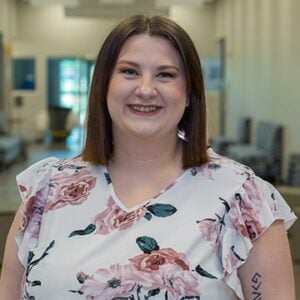
Celeste Hughes
Clinical Coordinator

Deet Scott, MD
Associate Professor

Ginny Donald, MHS, PA-C
Principal Faculty

Jim Williams, PA-C, DMSc
Medical Director

Karen Harness, DMSc, MPH, PA-C
Associate Professor

Lora-Emily Banks, DMSc, PA-C
Program Director

Nate Stanton, MS PA-C, ATC
Principal Faculty

Rebecca Buckalew, MSN, FNP-C
Associate Director of Clinical Education

Serena McCluskie, DMS, MSPAS, MSBMS, PA-C
Assistant Professor, Clinical Liason

Stacey Whitaker, DMSc, MMS, PA-C, CAQ-Psych
Associate Program Director
 Page 1 of 2
Admissions and contact
For additional information, please contact our enrollment team:
Phone 334.386.7233
Email chsadmissions@faulkner.edu