
COLLEGE OF HEALTH SCIENCES
Master of Science in Speech-Language Pathology
If you’re pursuing a rewarding career helping individuals overcome communication challenges, continue your journey with Faulkner University’s Master’s in Speech-Language Pathology program.
Faulkner University’s Master of Science in Speech-Language Pathology
The Master of Science (MS) in Speech-Language Pathology program is designed for students seeking national certification from the American Speech-Language-Hearing Association (ASHA) and state licensure to practice as speech-language pathologists. Students may choose between Residential and Online options, with multiple entry points and pacing options, allowing them to select the learning format that best aligns with their educational and professional goals.
Admission Requirements
No matter which course sequence you choose, all applicants follow the same admissions process and must meet the same admission requirements. Review the requirements and timelines below to prepare for your next step toward joining Faulkner’s MS-SLP program.
-
- CSDCAS Application
- Official academic transcripts from all previously attended institutions; submitted through CSDCAS
- Academic transcript indicating an earned bachelor’s degree from a regionally accredited institution; submitted through CSDCAS
- Evidence of successful completion of academic coursework in the following areas:
- Statistics
- Biological science
- Physical science (physics or chemistry)
- Social/behavioral science
*These are required by ASHA for certification. You can find additional information on which courses qualify here ASHA Prerequisite Course Content Areas
-
- Completion of a CSD/SLP undergraduate degree or completion of leveling program/coursework from an accredited institution that includes instruction in:
- Normal language development
- Phonetics
- Anatomy and physiology of speech and hearing
- Speech science
- Phonological and articulation disorders
- Language disorders
- Audiology
- Completion of a CSD/SLP undergraduate degree or completion of leveling program/coursework from an accredited institution that includes instruction in:
*All SLP pre-requisite courses must be taken within 10 years of the admission cycle year unless the applicant has been working in the field of SLP. All courses must be from an accredited institution.
-
- Have a minimum GPA of 3.0. in last 60 hours of undergraduate/post-baccalaureate course work as calculated by CSDCAS.
- Have a minimum CSD/SLP GPA of 3.0 as calculated by CSDCAS.
-
**At the discretion of the Admissions Committee, applicants who do not meet a standard GPA requirement may be considered on a case-by-case basis through a holistic review that includes related post-baccalaureate or advanced degree coursework in the area of or related to communication sciences and disorders.
- Three letters of recommendation (at least 1 must be from academic faculty) submitted through CSDCAS.
*Program may waive the requirement for academic faculty recommendations for applicants on a case-by-case basis
-
- Interview as determined by admissions committee.
- Complete Program Preparedness Questions in CSDCAS application
- Prior to program start, must complete 25 guided Observation Hours signed by an ASHA Certified SLP, who is qualified to supervise.
*Rolling admissions for both modalities until all seats are filled
For additional information about admissions, contact CHSAdmissions@faulkner.edu
Admission Timeline
|
Dates |
|
|
July 15, 2026 |
CSDCAS Opens for All Program Starts |
|
November 20, 2026 |
Verified Application Deadline-Spring 2027 (Full-Time) Start |
|
April 1, 2027 |
Verified Application Deadline-Summer 2027 (Extended Track) Start |
|
July 1, 2027 |
Verified Application Deadline-Fall 2027 (Full-Time) Start |
*Applications must be verified in CSDCAS to be reviewed by CHS Admissions and SLP Admissions Committee
Choose your Course Sequence
Earn your Master of Science in Speech-Language Pathology through a pathway designed to fit your goals. Choose from residential and online learning options, full-time or extended track study, and Fall, Spring, or Summer entry points. Regardless of pathway, students complete a rigorous curriculum that combines academic preparation and clinical education designed to prepare graduates for practice across diverse settings and populations. The following program offerings are available:
| Start Term | Format | Pace | Program Length |
|---|---|---|---|
| Fall Start | Residential or Online | Full-Time | 5 Semesters |
| Spring Start | Online | Full-Time | 5 Semesters (Beginning Spring 2027) |
| Summer Start | Online | Extended Track | 8 Semesters (Beginning Summer 2027) |
Course Sequences
Select the pathway that best fits your goals and timeline
Fall Course Sequence
Fall Start | Residential or Online | Full-Time (5 Semesters)
Choose the traditional residential experience in Montgomery or complete your academic coursework online while gaining hands-on clinical experience.
| Semester 1 | Fall | ||
| SLP 6320 | Advanced Speech Sound Disorders | 3 |
| SLP 6351 | Neurogenic Disorders 1 | 3 |
| SLP 6360 | Dysphagia – Adult | 3 |
| SLP 6280 | Research Methods | 2 |
| SLP 6391 | Clinical Methods and Practicum 1 | 3 |
| Semester 2 | Spring | ||
| SLP 6310 | Advanced Language Disorders in Children | 3 |
| SLP 6330 | Voice and Resonance Disorders | 3 |
| SLP 6365 | Dysphagia – Pediatric | 3 |
| SLP 6352 | Neurogenic Disorders 2 | 3 |
| SLP 6392 | Clinical Methods and Practicum 2 | 3 |
| Semester 3 | Summer | ||
| SLP 6205 | Augmentative and Alternative Communication | 2 |
| SLP 6215 | Autism and Social Communication | 2 |
| SLP 6270 | Aural Habilitation and Rehabilitation | 2 |
| SLP 6240 | Fluency Disorders | 2 |
| SLP 6393 | Clinical Methods and Practicum 3 | 3 |
| Semester 4 | Fall | ||
| SLP 6991/6992 | Internship–Pediatric or Adult | 9 |
| SLP 6381 | Research Experiences I | 3 |
| SLP 6101 | Praxis Preparation | 1 |
| Semester 5 | Spring | ||
| SLP 6991/6992 | Internship–Pediatric or Adult | 9 |
| SLP 6382 | Research Experiences II | 3 |
| SLP 6120 | Professional and Contemporary Issues in SLP | 1 |
| Total Credits | 66 |
Want to learn more about the courses in this sequence? View course descriptions for additional information about course content and credit hours.
Spring Course Sequence
Spring Start | Online | Full-Time (5 Semesters)
Begin your graduate education in the spring and progress through an online, cohort-based full-time course sequence.
| Semester 1 | Spring | ||
| SLP 6320 | Advanced Speech Sound Disorders | 3 |
| SLP 6351 | Neurogenic Disorders 1 | 3 |
| SLP 6360 | Dysphagia – Adult | 3 |
| SLP 6280 | Research Methods | 2 |
| SLP 6391 | Clinical Methods and Practicum 1 | 3 |
| Semester 2 | Summer | ||
| SLP 6310 | Advanced Language Disorders in Children | 3 |
| SLP 6330 | Voice and Resonance Disorders | 3 |
| SLP 6365 | Dysphagia – Pediatric | 3 |
| SLP 6352 | Neurogenic Disorders 2 | 3 |
| SLP 6392 | Clinical Methods and Practicum 2 | 3 |
| Semester 3 | Fall | ||
| SLP 6205 | Augmentative and Alternative Communication | 2 |
| SLP 6215 | Autism and Social Communication | 2 |
| SLP 6270 | Aural Habilitation and Rehabilitation | 2 |
| SLP 6240 | Fluency Disorders | 2 |
| SLP 6393 | Clinical Methods and Practicum 3 | 3 |
| Semester 4 | Spring | ||
| SLP 6991/6992 | Internship–Pediatric or Adult | 9 |
| SLP 6381 | Research Experiences I | 3 |
| SLP 6101 | Praxis Preparation | 1 |
| Semester 5 | Summer | ||
| SLP 6991/6992 | Internship–Pediatric or Adult | 9 |
| SLP 6382 | Research Experiences II | 3 |
| SLP 6120 | Professional and Contemporary Issues in SLP | 1 |
| Total Credits | 66 |
Want to learn more about the courses in this sequence? View course descriptions for additional information about course content and credit hours.
Summer Course Sequence
Summer Start | Online | Extended Track (8 Semesters)
Designed for students seeking a more gradual pace, the Summer Start pathway distributes coursework across an extended online course sequence.
| Semester 1/ Summer | ||
| SLP 6320 | Advanced Speech Sound Disorders | 3 |
| SLP 6280 | Research Methods | 2 |
| Semester 2 / Fall | ||
| SLP 6310 | Advanced Language Disorders in Children | 3 |
| SLP 6215 | Autism and Social Communication | 2 |
| Semester 3 / Spring | ||
| SLP 6351 | Neurogenic Disorders 1 | 3 |
| SLP 6360 | Dysphagia – Adult | 3 |
| SLP 6391 | Clinical Methods and Practicum 1 | 3 |
| Semester 4/ Summer | ||
| SLP 6352 | Neurogenic Disorders 2 | 3 |
| SLP 6365 | Dysphagia – Pediatric | 3 |
| SLP 6392 | Clinical Methods and Practicum 2 | 3 |
| Semester 5 / Fall | ||
| SLP 6205 | Augmentative and Alternative Communication | 2 |
| SLP 6240 | Fluency Disorders | 2 |
| SLP 6393 | Clinical Methods and Practicum 3 | 3 |
| Semester 6 / Spring | ||
| SLP 6330 | Voice and Resonance Disorders | 3 |
| SLP 6270 | Aural Habilitation and Rehabilitation | 2 |
| SLP6693 | Internship 1 | 6 |
| Semester 7 / Summer | ||
| SLP 6381 | Research Experiences I | 3 |
| SLP 6101 | Praxis Preparation | 1 |
| SLP 6692 | Internship II | 6 |
| Semester 8 /Fall | ||
| SLP 6382 | Research Experiences II | 3 |
| SLP 6120 | Professional and Contemporary Issues in SLP | 1 |
| SLP 6693 | Internship III | 6 |
| Total Credits | 66 |
Want to learn more about the courses in this sequence? View course descriptions for additional information about course content and credit hours.
Financial Aid
Faulkner’s Financial Aid Office is happy to assist you with financing your education.
Program Overview
Faulkner University’s Master of Science in Speech-Language Pathology (MS-SLP) program offers multiple pathways designed to provide flexibility in when and how students complete their graduate education. All pathways lead to the same MS-SLP degree and include the academic coursework, clinical education, research experiences, and professional preparation required for entry into the profession.
Students enter the program as part of a cohort based on their selected start term and progress through their designated course and clinical sequence together.
Fall Start
- Residential or Online
- Full-time
- Completed in 5 semesters
- Clinical experiences are designed and adapted to align with each student’s selected learning modality and geographical location while providing hands-on preparation for professional practice.
Spring Start
- Online
- Full-time
- Completed in 5 semesters
- Clinical experiences are designed to be completed in the student’s geographical location while providing hands-on preparation for professional practice.
- Required one-week, on-campus immersion experience
Summer Start
- Online
- Extended Track
- Completed in 8 semesters
- Reduced course load distributed across an extended sequence.
- Clinical practicum experiences begin in Semester 3 and are designed to be completed in the student’s geographical location while providing hands-on preparation for professional practice.
- Required one-week, on-campus immersion experience
Additional Program Requirements
The following requirements apply to all students, regardless of their selected course sequence:
- Completion of a Comprehensive Examination
- Completion of SLP 6381 and SLP 6382 Research Experiences
- Optional thesis experience for students interested in conducting research
- Minimum of 375 supervised clinical clock hours in addition to 25 guided observation hours
- Completion of all required coursework with a grade of B (80%) or higher
- Minimum cumulative graduate GPA of 3.0
- Successful completion of the SLO 5 Portfolio
- Completion of applicable academic and clinical requirements for professional certification
Research Experiences and Thesis Option
All students complete SLP 6381 and SLP 6382 Research Experiences as part of the MS-SLP curriculum. Students may complete the standard Evidence Based Practice research experience requirements or, if enrolled in one of our full-time programs, elect to pursue the thesis option.
The thesis option is designed for students interested in gaining experience conducting original research. Students who apply and are selected develop and complete an independent research study under the guidance of a faculty thesis committee.
Comprehensive Examination
Students are required to complete and pass the program’s Comprehensive Examination in accordance with the requirements established for program completion. The examination is designed to assess students’ integration and application of knowledge across the curriculum and to support preparation for the Praxis in Speech-Language Pathology.
Required Online Student Immersion
Students enrolled in the online modality are required to attend a one-week, on-campus immersion experience. The immersion experience provides opportunities for hands-on clinical training, skills assessment, simulation, and direct engagement with program faculty and peers. The timing of the immersion is determined by the student’s course sequence and progression through the program.
Clinical Education
Clinical education is an essential part of the MS-SLP experience. Students’ progress through supervised experiences designed to build clinical knowledge and professional readiness.
Residential Clinical Experience (Full-Time)
Semesters 1, 2, and 3
During the first three semesters of the program, students will complete a clinical practicum in Faulkner’s state-of-the-art Center for Therapy and Research. Here, students receive one-on-one clinical supervision, training, and mentoring from our experienced clinical educators. Students have the opportunity to evaluate and treat a wide variety of patients and gain hands-on experience with a diverse range of diagnoses, ensuring meaningful exposure across the lifespan and across settings.
Semesters 4 and 5
During the final two semesters in the program, students will complete 2 internships- one in an adult setting and one in a pediatric setting. Students are given the opportunity to request internship sites that match their personal career goals. For example, a student who wishes to work on a craniofacial team can request an internship in a children’s hospital, or a student who wishes to work with adults in post-acute rehabilitation can request an internship in a rehabilitation hospital. Since students do not take any academic courses on campus during these semesters, they are free to pursue internships anywhere in the country. These personalized internships are a key feature of our SLP program because they allow students to build professional networks and gain the specialized experience needed to shape their career path.
Online Clinical Experience (Full-Time)
Semester 1
Students will gain clinical experience through the completion of approximately 25 Simucase hours under the direct supervision of Faulkner faculty. Students will be assigned a variety of clinic populations across the lifespan, including culturally and linguistically diverse populations. Every week, students will have a supervisory conference with their clinical supervisor to debrief, review, and discuss the assigned Simucases. Students will also gain experience in clinic writing by completing assessment reports, plans of care, and SOAP notes.
Semesters 2 and 3
Students during semesters 2 and 3 will be placed in external sites such as schools, medical centers, nursing homes, private clinics, etc. Each student will assist and identify potential sites in their geographic area for the Online Clinic Team; however, final placement decisions will be made by the DCE following a comprehensive review of all relevant factors. External sites should be selected with consideration of availability of culturally and linguistically diverse populations. Students are required to be on site approximately 8-12 hours a week, with the goal of approximately 5 direct client hours a week. Every week, students will have a supervisory conference with their clinical supervisor to debrief, review, and discuss their progress.
Semesters 4 and 5
Students will complete two full-time internships, one with adults and one with pediatrics, with a requirement of at least 32 to 40 hours on-site per week based on supervisor schedule. Each student will assist and identify potential sites in their geographic area. Students must submit 5 potential adult sites and 5 potential pediatric sites to the Online Clinic Team. This is to ensure that the Online DCE has ample time to reach out and initiate contracts with each site prior to the following Fall when full-time internships begin. Students are directly supervised by their on-site supervisor during both semesters, with additional check-ins with the Online DCE.
Online Clinical Experience (Extended Track)
Semester 3
Students will gain clinical experience through the completion of approximately 25 Simucase hours under the direct supervision of Faulkner faculty. Students will be assigned a variety of clinic populations across the lifespan, including culturally and linguistically diverse populations. Every week, students will have a supervisory conference with their clinical supervisor to debrief, review, and discuss the assigned Simucases. Students will also gain experience in clinic writing by completing assessment reports, plans of care, and SOAP notes.
Semesters 4 and 5
Students during semesters 4 and 5 will be placed in external sites such as schools, medical centers, nursing homes, private clinics, etc. Each student will assist and identify potential sites in their geographic area for the Online Clinic Team; however, final placement decisions will be made by the DCE following a comprehensive review of all relevant factors. External sites should be selected with consideration of availability of culturally and linguistically diverse populations. Students are required to be on site approximately 8-12 hours a week, with the goal of approximately 5 direct client hours a week. Every week, students will have a supervisory conference with their clinical supervisor to debrief, review, and discuss their progress.
Semesters 6, 7, and 8
Students will complete two full-time internships, one with adults and one with pediatrics, with a requirement of at least 16 to 24 hours on-site per week based on supervisor schedule. Each student will assist and identify potential sites in their geographic area. Students must submit 5 potential adult sites and 5 potential pediatric sites to the Online Clinic Team. This is to ensure that the Online DCE has ample time to reach out and initiate contracts with each site prior to the following Fall when full-time internships begin. Students are directly supervised by their on-site supervisor during both semesters, with additional check-ins with the Online DCE.
Online Leveling Courses
For those who do not have an undergraduate degree in SLP/CSD, seven courses in SLP will be offered for those non-traditional students who would like to pursue an MS SLP degree. Course offerings are completely online and asynchronous. The courses will include:
- SLP 2310 Language Development
- SLP 3310 Phonetics
- SLP 3320 Anatomy and Physiology of Speech and Hearing
- SLP 3370 Introduction to Audiology
- SLP 4310 Language Disorders Across the Lifespan
- SLP 4320 Speech Sound Development and Disorders
- SLP 4340 Speech and Hearing Science
Students may also elect to take their biological science, physics or chemistry, and social/behavioral science online as well. These courses will follow the following schedule:
Fall/Spring Course Sequence (2026-2027)
| Fall 2026 | ||
| Module | Courses Taught | Term Dates |
| Module 1 | SLP 2310 Language Development | 8/17/26-10/11/26 |
| SLP 3320 Anatomy and Physiology of Speech and Hearing | 8/17/26-10/11/26 | |
| Module 2 | SLP 3310 Phonetics | 10/12/26-12/6/26 |
| SLP 4340 Speech and Hearing Science | 10/12/26-12/6/26 | |
| Spring 2027 | ||
| Module 1 | SLP 3370 Introduction to Audiology | 1/11/27-3/7/27 |
| SLP 4320 Speech Sound Disorders | 1/11/27-3/7/27 | |
| Module 2 | SLP 4310 Language Disorders | 3/8/27-5/2/27 |
| SLP 4110 Observations in Clinical Practicum | 3/8/27-5/2/27 |
Spring/Summer Course Sequence (2027)
| Spring 2027 | ||
| Module | Courses Taught | Term Dates |
| Module 1 | SLP 2310 Language Development | 1/11/27-3/7/27 |
| SLP 3320 Anatomy and Physiology of Speech and Hearing |
1/11/27-3/7/27
|
|
| Module 2 | SLP 3310 Phonetics | 3/8/27-5/2/27 |
| SLP 4340 Speech and Hearing Science | 3/8/27-5/2/27 | |
| Summer 2027 | ||
| Module 1 | SLP 3370 Introduction to Audiology | 5/3/27-6/27/27 |
| SLP 4320 Speech Sound Disorders | 5/3/27-6/27/27 | |
| Module 2 | SLP 4310 Language Disorders | 6/28/27-8/22/27 |
| SLP 4110 Observations in Clinical Practicum | 6/28/27-8/22/27 |
Important Information:
- Each 8-week Module starts on Monday and ends on Sunday. Online courses end on Sunday; however, on-ground courses will end earlier as indicated on individual syllabi.
- Students may drop a class with 100% tuition refund through the Sunday following the start of the term.
- Students may drop a class with 50% tuition refund through the second Sunday following the start of the term.
- Tuesday of the 5th week in each term is the last day to drop a class with a grade of “W”.
- Final exams will be held during the last scheduled class in each Module. This date varies for different courses.
- University offices are closed December 21, 2026 – January 3, 2027
Students enrolled at another institution at the time of application may be required to provide a transient form from their home university to complete the enrollment process.
If you are interested in enrolling, fill out this form Inquiry Form : Faulkner University Grad/Adult UG and select “SLP Leveling Course (Non-Degree)” under Program, and someone from adult enrollment will be in touch.
SLP - Specialized Training
Faulkner’s Master of SLP program will offer three specialized training sessions, which are available to students for an additional fee. These trainings include Fiberoptic Endoscopic Evaluation of Swallowing, Language Acquisition through Motor Planning (LAMP), and Lee Silverman Voice Treatment – LOUD. These trainings are optional.
Fiberoptic Endoscopic Evaluation of Swallowing (FEES) is a procedure whereby the SLP passes a scope through the nasopharynx, which allows for visualization of the vocal folds. The SLP then administers various food and liquid consistencies to the patient and watches the patient swallow them. Based on these trials, the SLP can then determine if the patient is aspirating or is at risk of aspiration, along with the reason for why this is happening and whether this can be remediated behaviorally. It is important to note that students must be physically present for the training. The cost for the training is approximately $350. Students will receive a certificate after successful completion.
Language Acquisition through Motor Planning (LAMP) is a treatment approach which has foundations in principles of neurological and motor learning. This method of treatment is designed for severely limited verbal abilities due to apraxia of speech. The cost for training is approximately $130.
Lee Silverman Voice Treatment – LOUD (LSVT LOUD) is a program designed for individuals with Parkinson’s disease to increase vocal loudness, which could subsequently improve speech intelligibility. This training will be offered after the summer semester and will be offered online. Students have 60 days to complete the training. The cost is $295. Students will be certified upon successful completion.
SLP Graduate Handbook
SLP Graduate Handbook 2025-2026
*2026-2027 Graduate Handbook will be available once complete.
Tuition and Fees
Please Note: Tuition, fees, and associated costs of attendance are estimates only. Tuition and fees are officially established annually at the Faulkner University Board of Trustees meeting.
Clinical fees support resources and technology used throughout students’ clinical education, including CALIPSO for tracking clinical experiences and competencies and Simucase for simulation-based learning and clinical skill development. These resources help students document progress and prepare for hands-on experiences across the program.
Program Required Expenses (Sub-Drop Down)
The table below provides estimated additional expenses students may incur throughout the program. Actual costs may vary and are subject to change based on pricing established by external vendors and service providers.
|
Expense Type Category |
Expense Cost Category |
|
Seat Deposit |
$500 |
|
Books |
~$2,543 (if purchased new) |
|
Laptop / iPad |
~$1,000 |
|
Scrubs |
~$120 |
|
Background Check |
$55 |
|
Drug Screen |
$42 |
|
Complio Compliance Tracking |
$35/annually |
|
Graduation Fee |
$150 |
|
Praxis Examination |
$146 |
** Students are required to maintain health insurance coverage while enrolled in the program. Associated costs vary based on each student’s individual insurance plan and coverage
** Additional fees for drug screenings and background checks may apply based on state-specific requirements.
Important Dates
The important dates listed below apply to the program’s Fall, Spring, and Summer start options.
Please review the dates associated with your intended start term and course sequence.
Dates are subject to change based on updates to the College of Health Sciences academic calendar.
| Start Term | Format | Mandatory Orientation | First Day of Classes |
|---|---|---|---|
| Fall Start (Full-Time) | Residential and Online | August 31, 2026 | September 1, 2026 |
| Spring Start (Full-Time) | Online | January 5, 2027 | January 6, 2027 |
| Summer Start (Extended Track) | Online | May 3, 2027 | May 4, 2027 |
Student Outcome Data
On-time Program Completion Rates
| On-time Program Completion Rates (Residential) | ||
| Reporting Period | # Completed within Expected Time Frame | % Completed within Expected Time Frame |
|
Recent Year 2025-2026 |
14 | 93% |
|
1 Year Prior 2024-2025 |
18 | 94% |
|
2 Years Prior 2023-2024 |
24 | 100% |
| On-time Program Completion Rates (Online) | ||
| Reporting Period | # Completed within Expected Time Frame | % Completed within Expected Time Frame |
|
Recent Year 2025-2026 |
42 | 91% |
|
1 Year Prior 2024-2025 |
9 | 100% |
|
2 Years Prior 2023-2024 |
8 | 100% |
Praxis Pass Rates
| Praxis Pas Rates (Residential) | |||
| Reporting Period | # Taking the Exam | # Passed Exam | % Passed Exam Rate |
|
Recent Year 2025-2026 |
20 | 16 | 80% |
|
1 Year Prior 2024-2025 |
20 | 16 | 80% |
|
2 Years Prior 2023-2024 |
27 | 24 | 89% |
| Praxis Pass Rates (Online) | |||
| Reporting Period | # Taking the Exam | # Passed Exam | % Passed Exam Rate |
|
Recent Year 2025-2026 |
40 | 36 | 90% |
|
1 Year Prior 2024-2025 |
5 | 5 | 100% |
|
2 Years Prior 2023-2024 |
7 | 7 | 100% |
Nondiscrimination Statement
Nondiscrimination Statement
Faulkner University complies with all applicable laws, regulations, and executive orders prohibiting discrimination towards students, faculty, staff, and persons served in the program’s clinics. This includes prohibitions on discrimination based on any category prohibited by applicable law but not limited to age, citizenship, disability, ethnicity, gender identity, genetic information, national origin, race, religion, sex, sexual orientation, and veteran status.
In connection with its educational policies, admissions, financial aid, educational programs, or activities, Faulkner University complies with all applicable laws, regulations, and executive orders prohibiting discrimination on the basis of age, citizenship, disability, ethnicity, gender identity, genetic information, national origin, race, religion, sex, sexual orientation, and veteran status to those who meet its admission criteria and are willing to uphold its values as stated in the Conduct Regulations contained in the Student Handbook and relevant program handbooks.
Faulkner University is a church-affiliated liberal arts institution committed to employing a highly qualified and diverse administration, faculty and staff, who reflect the University’s religious traditions, values, affiliation, and purpose. Faulkner University complies with all applicable laws, regulations, and executive orders prohibiting discrimination towards faculty and staff on any category prohibited by applicable law but not limited to age, citizenship, disability, ethnicity, gender identity, genetic information, national origin, race, religion, sex, sexual orientation, and veteran status. However, Faulkner University exercises a preference in employment for those qualified applicants who are members of the Churches of Christ, whose lifestyles are consistent with the mission of the University and with the beliefs and values of the Churches of Christ.
Based upon this commitment, Faulkner University follows the principle of nondiscrimination and operates within applicable federal and state laws prohibiting discrimination. As a recipient of federal financial assistance, Faulkner is required by Title IX of the Educational Amendments of 1972, as amended, not to discriminate on the basis of sex in its admissions policies, treatment of students, employment practices or educational programs except as required by religious tenets of the Churches of Christ. Inquiries concerning the application of federal and state laws or regulations may be referred to the Office of Human Resources.
The Faulkner University Center for Therapy and Research complies with all applicable laws, regulations, and executive orders prohibiting discrimination towards persons served in the clinic. This includes prohibitions on discrimination based on any category prohibited by applicable law but not limited to age, citizenship, disability, ethnicity, gender identity, genetic information, national origin, race, religion, sex, sexual orientation, and veteran status.
Grievances and Complaints Policy (Drop Down)
The Department of Speech Language Pathology at Faulkner expects students to follow the Grievance Policies and Procedures of the SLP Department and Faulkner University.
If concerns still exist and are related to the program’s compliance with accreditation standards, students should contact the Council on Academic Accreditation in Audiology and Speech-Language Pathology (CAA) at the ASHA Action Center [Members: 800-498-2071; Non-Members: 800-638-8255].
Further information may be found on the ASHA website.
Grievances and Complaints Policy
If concerns still exist and are related to the program’s compliance with accreditation standards, students should contact the Council on Academic Accreditation in Audiology and Speech-Language Pathology (CAA) at the ASHA Action Center [Members: 800-498-2071; Non-Members: 800-638-8255].
Further information may be found on the ASHA website.
Program Mission, Goals, and Outcomes
Faulkner University’s Department of Speech-Language Pathology is committed to preparing students for excellence in clinical practice, research, and service while integrating our Christian views. Our values and goals for the program include:
Our Program Goals
The MS in Speech-Language Pathology program is guided by the following goals:
- Generalist clinicians: The program prepares students to become generalist clinicians with the knowledge and skills needed to manage diverse caseloads competently.
- Scientific approach: The curriculum teaches students to become scientist clinicians who apply evidence-based practice (EBP) principles to every patient they serve.
- Service-oriented practice: The program trains students to use their knowledge and skills to serve individuals with disabilities compassionately and ethically.
- Student outcomes: The program maintains student outcome data to ensure timely graduation and Praxis exam passing rates.
Program Learning Outcomes (PLOs)
Upon completion of the program, students will:
- Demonstrate knowledge of typical and disordered human communication and swallowing processes.
- Demonstrate knowledge and skills related to the prevention, assessment, and treatment of individuals with communication and swallowing disorders.
- Demonstrate knowledge and skills in research methods, statistics, and the integration of research principles into evidence-based practice.
- Demonstrate knowledge and skills related to professional ethical conduct, contemporary professional issues, regulations and policies, and interprofessional collaboration.
- Use their professional knowledge and skills to serve local and global communities and demonstrate Christ-centered service to others.
Strategic Plan Focus Area
-
The Faulkner University Department of Speech-Language Pathology Strategic Plan 2026-2030 provides a roadmap for sustaining excellence while advancing quality, innovation, capacity, and accountability. The Department has established a strong foundation through student achievement, clinical service, faculty development, community engagement, and commitment to the University mission. The next phase of strategic development requires intentional planning to support continued program quality, clinical education sufficiency, assessment-driven improvement, faculty workload balance, and successful implementation of expanded program pathways.
The Department has identified seven strategic priorities:
- Faculty Sufficiency and Workforce Planning
- Clinical Education Expansion and Quality Assurance
- Simulation-Based Clinical Education and OSCE Development
- Program Assessment and Continuous Improvement
- Faculty Scholarship and Professional Growth
- Community Engagement, Service, and Christian Outreach
- Extended-Track Program Implementation and Equivalency Monitoring
Together, these priorities reflect a commitment to preparing highly competent, compassionate, ethical, evidence-based speech-language pathologists while maintaining an accreditation-ready culture of systematic evaluation, resource planning, and continuous quality improvement.
To request a copy of the MS in Speech-Language Pathology Program Strategic Plan, please email nshears@faulkner.edu.
Choose Faulkner University’s Speech Language Pathology Program
Apply to Faulkner University’s speech-language pathology program today to continue your education toward becoming a speech-language pathologist. As a Christian liberal arts institution, we integrate faith and learning to prepare graduates who serve with compassion and integrity.to Faulkner University’s online speech-language pathology program today to continue your education toward becoming a speech-language pathologist. As a Christian liberal arts institution, we integrate faith and learning to prepare graduates who serve with compassion and integrity.
Students benefit from accredited programs, expert faculty, and curriculum aligned with ASHA standards for certification and licensure. To learn more, you can request more info or explore our course catalog for our online SLP program.
Accreditation
The Master of Science (MS) in Speech-Language Pathology residential program at Faulkner University is accredited by the Council on Academic Accreditation in Audiology and Speech-Language Pathology of the American Speech-Language-Hearing Association, 2200 Research Boulevard, #310, Rockville, MD 20850, 800-498-2071 or 301-296-5700.
The Master of Science (MS) in Speech-Language Pathology distance education program at Faulkner University is accredited by the Council on Academic Accreditation in Audiology and Speech-Language Pathology of the American Speech-Language-Hearing Association, 2200 Research Boulevard, #310, Rockville, MD 20850, 800-498-2071 or 301-296-5700.
Speech-Language Pathology Faculty
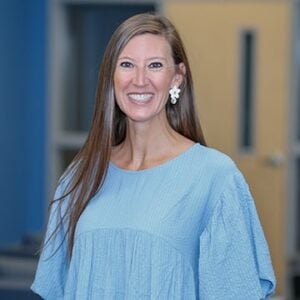
Amy Hatcher
SLP On-ground Clinic Director/Assistant Clinical Professor
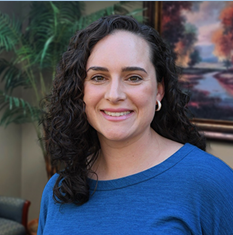
Andrea Etkie
Assistant Professor in Speech Language Pathology
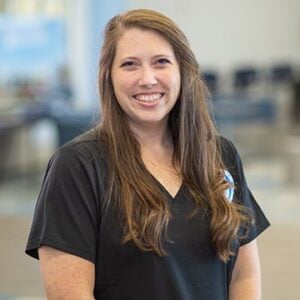
Elizabeth Grant
Clinical Educator in Speech Language Pathology
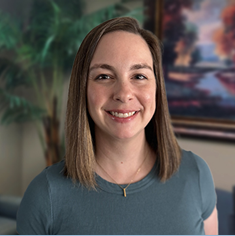
Emily Lambert
Assistant Professor in Speech Language Pathology

Emily Linck
Assistant Professor in the Speech Language Pathology

Gloria Powell
Assistant Director of Clinical Education/Assistant Professor

Jessica Veazey
Faculty, Speech Language Pathology
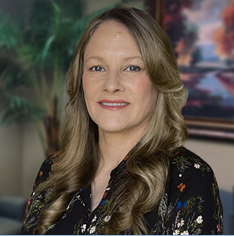
Julie Clark
Assistant Professor of Speech-Language Pathology
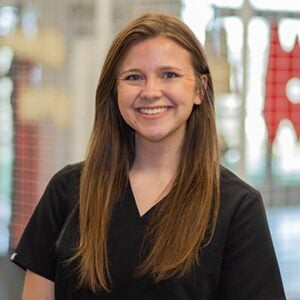
Kandice Lucas
Clinical Educator for Speech-Language Pathology
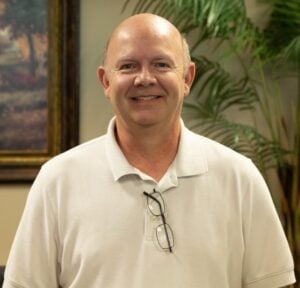
Kelly Witcher
Online Clinical Coordinator, Speech-Language Pathology
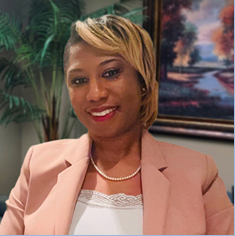
Kristy Taylor
Assistant Professor of Speech-Language Pathology
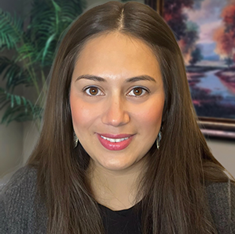
Magaly Ramirez
Director of Online Speech-Language Pathology Program
 Page 1 of 2
Admissions and contact
For additional information, please contact our enrollment team:
Phone 334.386.7152
Email chsadmissions@faulkner.edu